absentee owner • FSBO • Investing • Investment Property • non-resident owner • Sales and Leasing • Second Home • Tips • April 26, 2025

Hidden Costs of Keeping Your Home vs. Selling It Now

Hidden Costs of Keeping Your Home vs. Selling It Now


The decision to sell your home is a significant financial move, and it’s essential to weigh the potential benefits against the hidden costs of staying put. While a familiar environment and emotional attachment are valuable, they can sometimes obscure the true financial picture.

Unveiling the Hidden Costs of Homeownership:

  • Maintenance and Repair Expenses:
    • Older homes often require costly repairs, such as roof replacements, HVAC system repairs, and plumbing issues.
    • Even newer homes require ongoing maintenance, such as landscaping, painting, and appliance repairs.
    • Unexpected repairs can significantly impact your budget.
  • Property Taxes and Insurance:
    • Property taxes and insurance premiums tend to increase over time, adding to your monthly expenses.
    • Property tax assessments can fluctuate based on market conditions and local government policies.
    • Insurance premiums can rise due to factors such as inflation and natural disasters.
  • Opportunity Cost of Equity:
    • Your home equity is essentially ‘locked’ in your property. It could be invested in other assets that generate higher returns.
    • The opportunity cost of not investing your equity can be significant over the long term.
    • Diversification of assets is a key financial practice.
  • Market Fluctuation Risks:
    • Housing markets are cyclical, and home values can fluctuate based on economic conditions and interest rates.
    • Waiting to sell your home could mean missing out on a peak selling opportunity or facing a decline in property values.
    • Interest rates affect buyers, and therefore the amount that buyers are willing to pay for homes.
  • Home Improvement and Renovation Costs:
    • Many homeowners invest in renovations to increase their home’s value or improve their living space.
    • Renovation projects can be costly and time-consuming, and they don’t always guarantee a return on investment.
    • The cost of materials and labor can fluctuate.
  • The Cost of Inefficiency:
    • Older homes can be very inefficient, leading to high utility bills. Older HVAC, windows, and insulation can all contribute to this.
    • Newer homes are built with better materials, and better energy efficiency.

Weighing the Financial Implications:

  • Comparative Market Analysis (CMA): Obtain a CMA from a local real estate agent to determine your home’s current market value.
  • Financial Planning: Work with a financial advisor to assess your overall financial situation and create a plan that aligns with your long-term goals.
  • Cost-Benefit Analysis: Conduct a thorough cost-benefit analysis to compare the expenses of keeping your home versus selling it and investing your equity elsewhere.

By understanding the hidden costs of homeownership and conducting thorough financial planning, you can make an informed decision about your home’s future.


First TIme Home Buyer • First Time Homebuyer • Second Home • Tips • April 5, 2025

How to Sell Your Home When You Have a Low Mortgage Rate

How to Sell Your Home When You Have a Low Mortgage Rate and Don’t Want to Buy at Current Market Rates

The dilemma is real: you’re sitting on a coveted low mortgage rate, but life circumstances—job relocation, downsizing, or simply a desire for a change—are prompting you to consider selling. Yet, the thought of jumping into today’s high-interest-rate market is a major deterrent. How do you navigate this tricky situation?

The Low-Rate Trap:

Many homeowners find themselves ‘trapped’ by their low rates. They’ve enjoyed years of affordable payments, and the idea of doubling or tripling their interest rate in a new purchase is understandably daunting. However, holding onto a home solely for the rate might not be the most financially prudent long-term strategy.

Understanding Your Options:

  • Equity Maximization:
    • Even with a low rate, your home’s equity has likely grown substantially. A detailed comparative market analysis (CMA) from a local real estate professional can help determine your current market value.
    • Analyze your capital gains tax implications. There are exemptions, and knowing these will help you understand your net profit.
  • Exploring Creative Financing:
    • Seller Financing: Consider offering seller financing to potential buyers. This can attract a wider pool of buyers and potentially secure a higher sale price. You can structure the loan terms to be favorable to both parties. Consult with a real estate attorney to ensure compliance.
    • Subject-To Sales: This involves selling your property while keeping your existing mortgage in place. This can be complex, so professional legal and financial advice is essential.
  • The New Construction Advantage:
    • Builder Incentives: Many new home builders are offering significant interest rate buy-downs or locked-in rates well below the current market average. This is a strategy to attract buyers in a slower market.
    • Negotiating Power: In a market where builders have inventory, you have greater negotiating power. Explore all available incentives, including upgrades or closing cost assistance.
    • Energy Efficiency: New homes are built to current energy standards, therefore they are often more energy efficient, reducing your utility bills.
  • The Cost of Inaction:
    • Opportunity Cost: Your equity is essentially ‘locked’ in your home. It could be invested in other assets that generate higher returns.
    • Maintenance and Repairs: Older homes often require costly repairs. These expenses can erode the financial benefit of a low mortgage rate.
    • Market Fluctuations: While no one can predict the future, housing markets are cyclical. Waiting for rates to drop might mean missing out on a peak selling opportunity.

Strategic Considerations:

  • Timing: Consult with a local real estate agent who understands market trends. They can advise you on the optimal time to list your property.
  • Financial Planning: Work with a financial advisor to create a comprehensive plan that aligns with your long-term goals.
  • Tax Implications: Understand the tax implications of selling, including capital gains and potential deductions.

Selling a home with a low mortgage rate doesn’t have to be a financial setback. By exploring creative financing options, leveraging builder incentives, and understanding the true cost of inaction, you can make a strategic move that aligns with your financial goals.


absentee owner • Cash Flow • Investing • Investment Property • non-resident owner • Tips • September 4, 2024

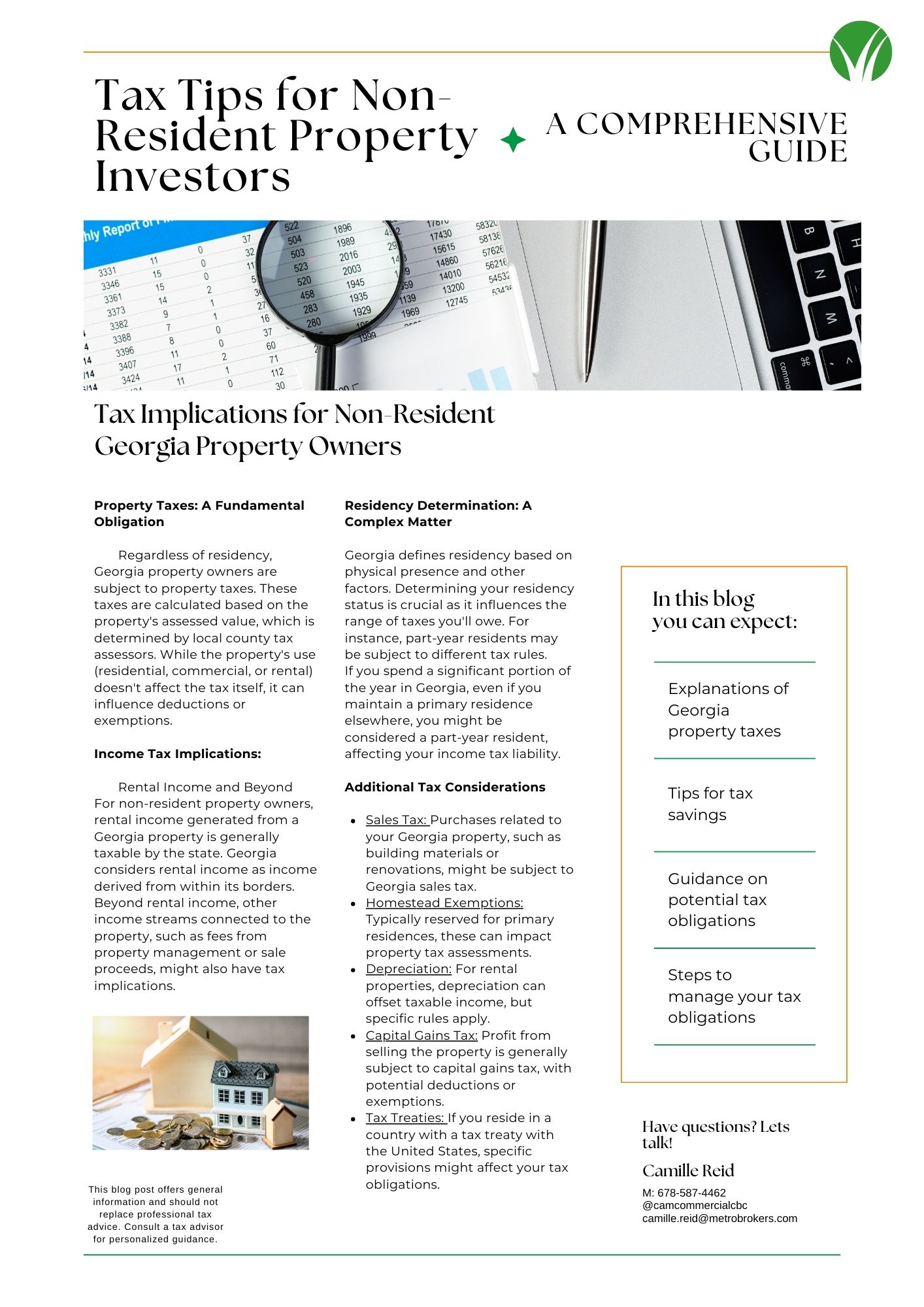
Tax Tips for Non-Resident Property Investors

First TIme Home Buyer • FSBO • Investing • Sales and Leasing • Second Home • Tips • August 3, 2024

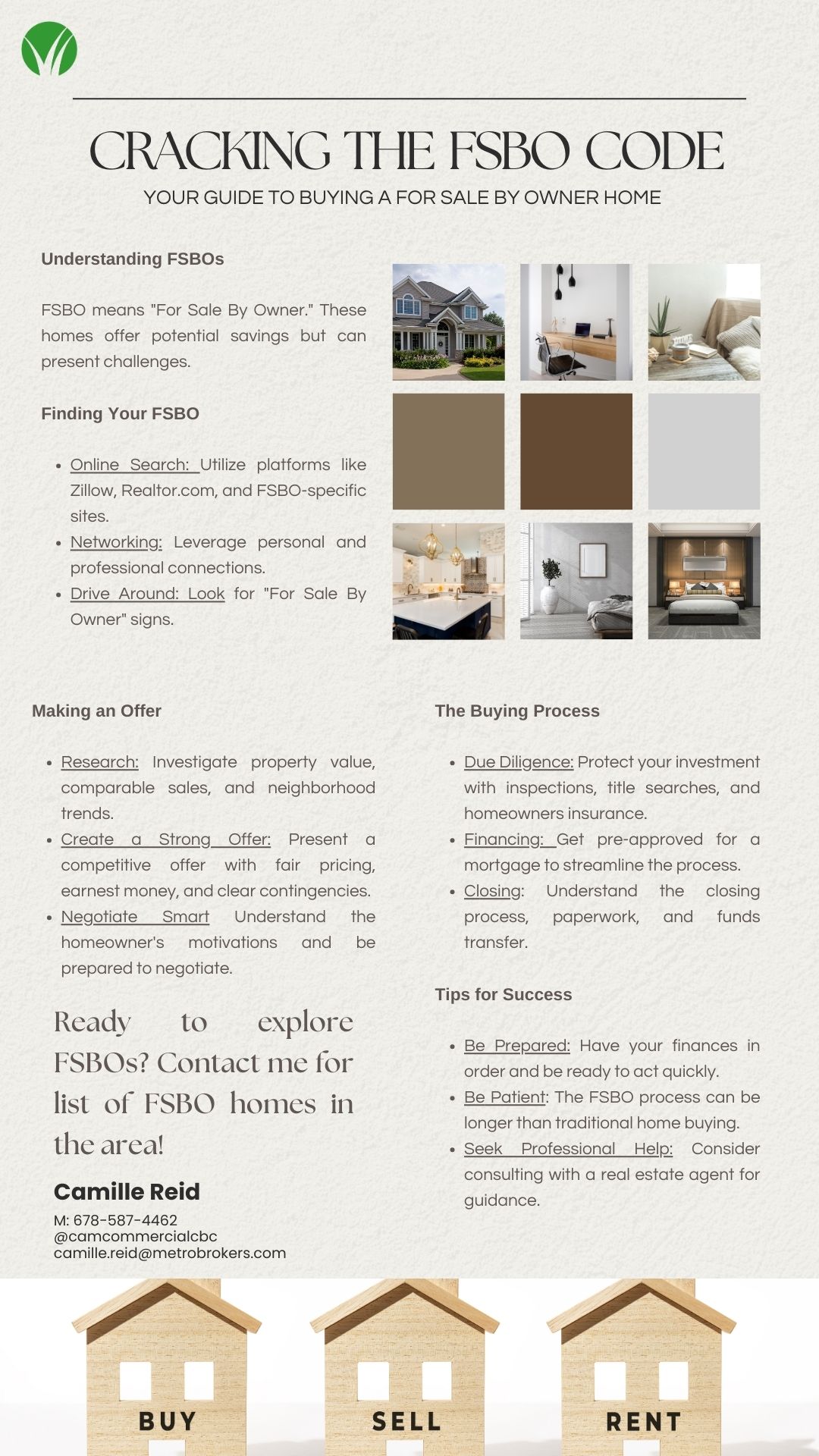
Navigating the FSBO Market: A Step-by-Step Guide

Cash Flow • Investment Property • Sales and Leasing • Second Home • July 26, 2024

Real Estate Investing for Retirement

absentee owner • Investment Property • non-resident owner • Tips • June 29, 2024

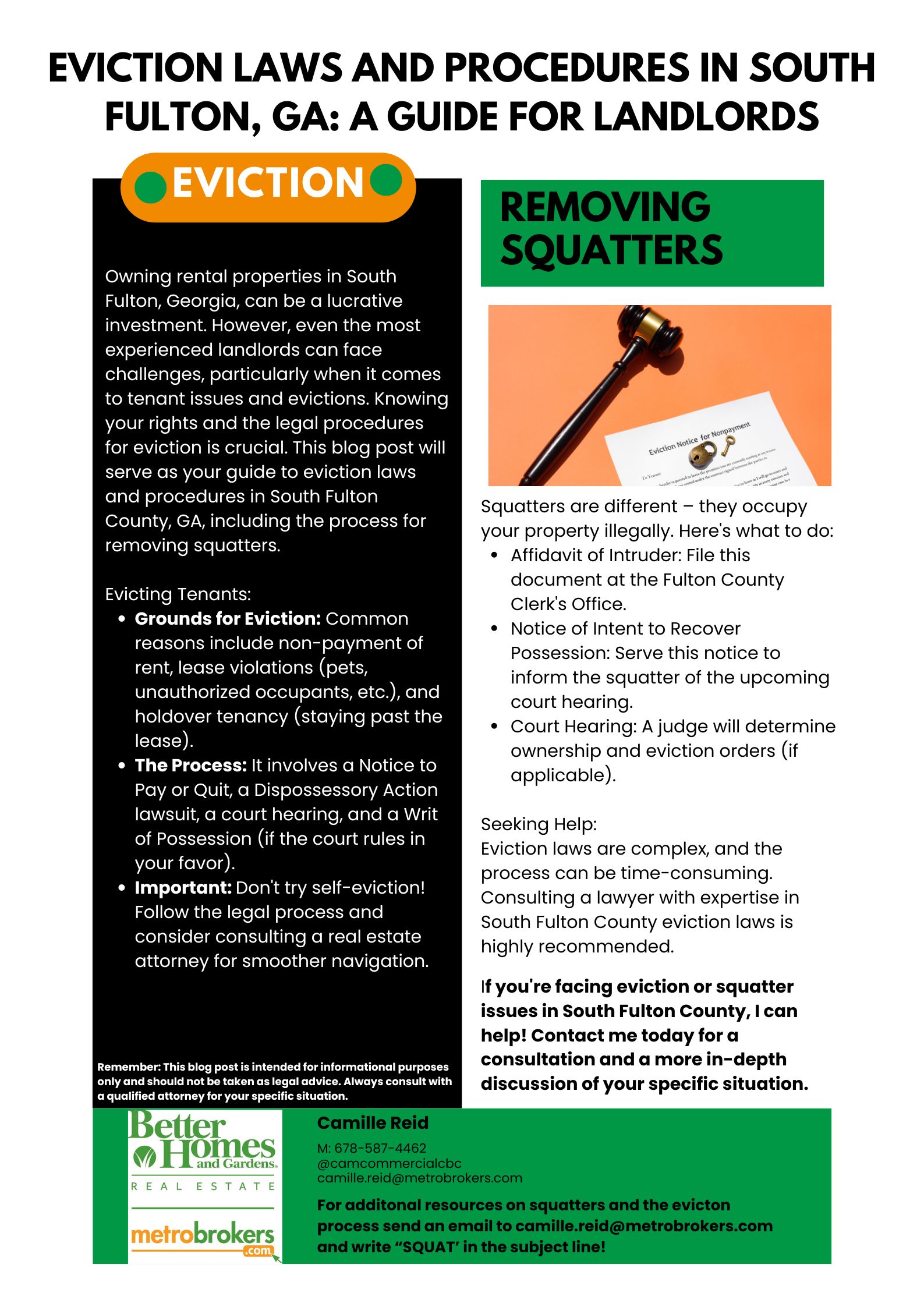
Eviction & Squatters in South Fulton, GA: Don’t Panic – Here’s What You Need to Do

Sales and Leasing • Second Home • Tips • June 14, 2024

Selling Your Home Checklist

Sales and Leasing • Second Home • May 18, 2024

Rethinking your needs for your next home

Cash Flow • Sales and Leasing • May 11, 2024

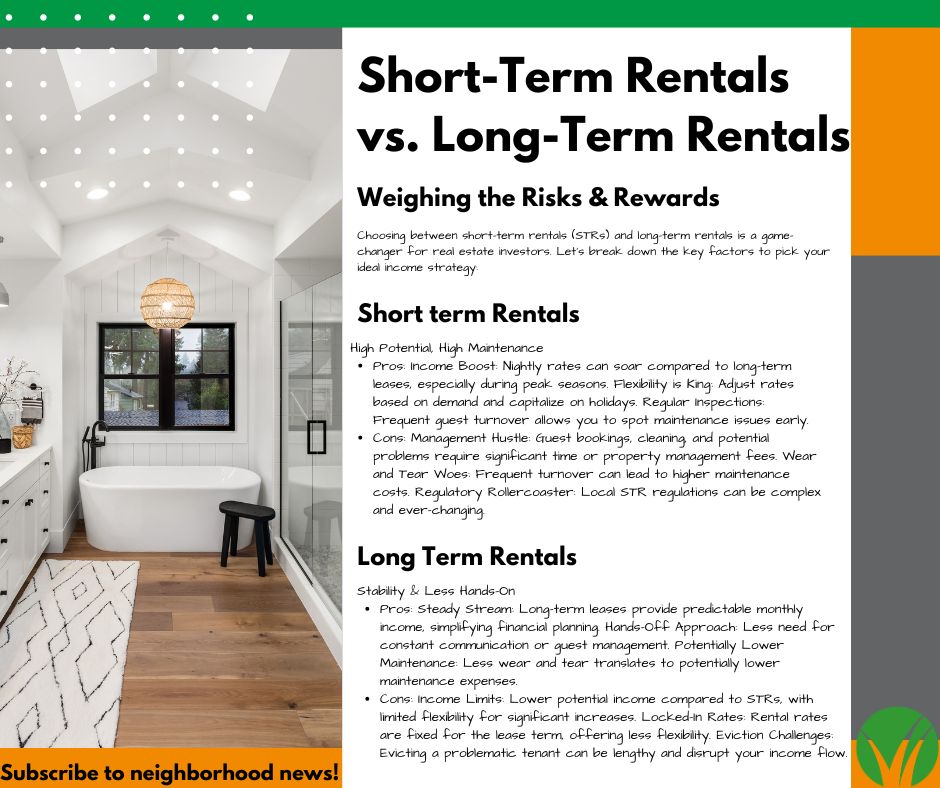
Short Term vs Long Term

Investment Property • Sales and Leasing • May 5, 2024

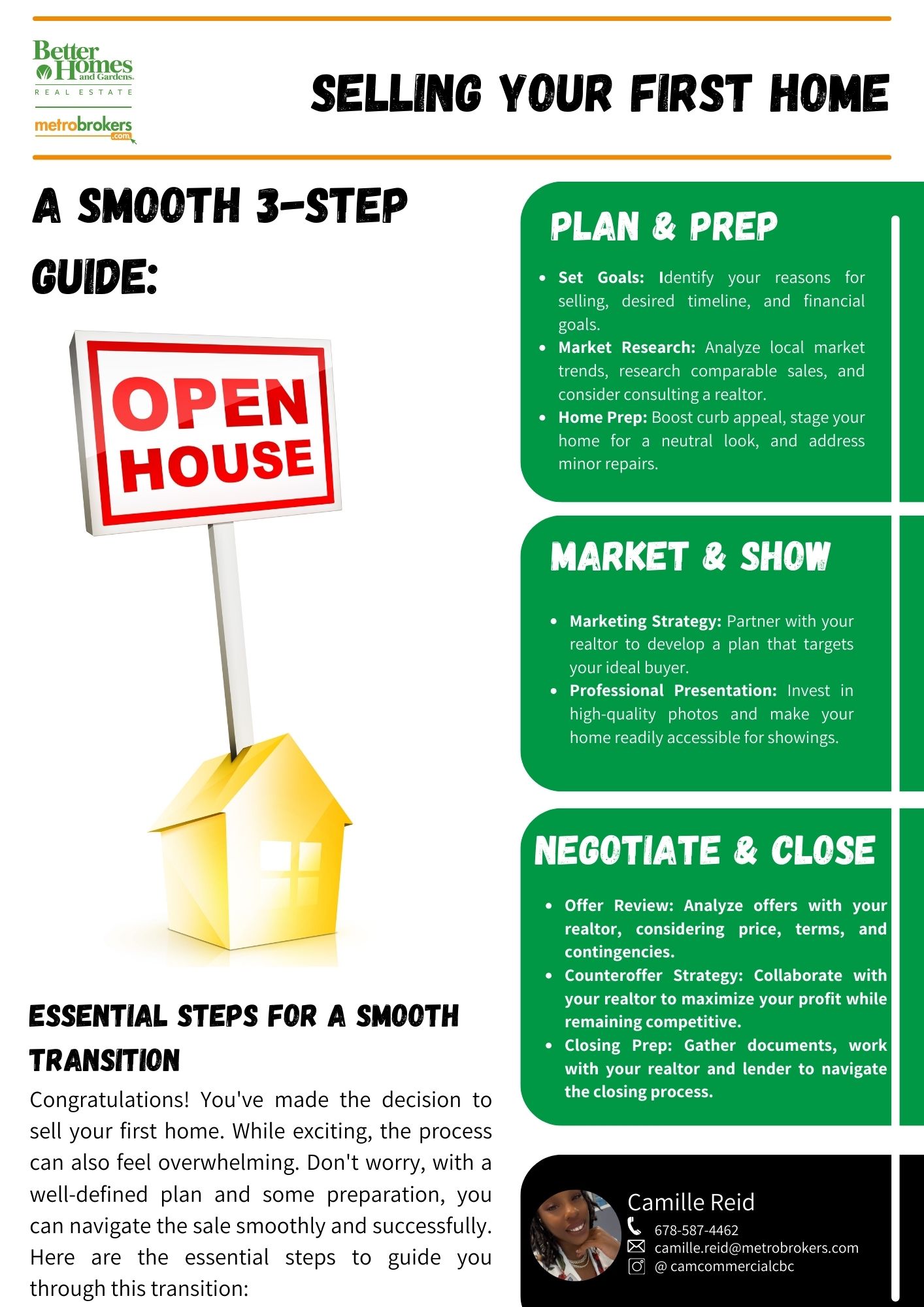
From Starter Home to Dream Home: Selling Your First Property Like a Pro